
Your Dubai trip is booked. Flights confirmed. Hotels reserved. Then someone mentions Ramadan falls during your dates. Panic sets in. Should you cancel? Reschedule? Will everything be closed?
Take a breath. I’m going to give you the honest truth about visiting Dubai during Ramadan, without the panic or the sugar coating. This isn’t about rules and restrictions. It’s about understanding what actually happens so you can decide if it’s right for your trip.
When Ramadan Actually Happens in 2026
Ramadan follows the Islamic lunar calendar, which means dates shift earlier each year by roughly 10 days. In 2026, the holy month is expected to begin on the evening of February 17 and conclude around March 19-20, depending on moon sightings.
Here’s when Ramadan starts across different regions in 2026:
- UAE and Saudi Arabia: Evening of February 17
- India and Pakistan: Likely February 17-18 (may vary by local moon sighting)
- United States: Evening of February 17
- United Kingdom: Evening of February 17
- Southeast Asia: February 17-18 (depending on region)
The variation comes from different communities using either astronomical calculations or physical moon sightings to mark the month’s beginning. Most countries align within a day of each other.
Eid al-Fitr, the celebration marking Ramadan’s end, falls around March 20-21 in 2026. This three-day festival is a major holiday in the UAE, similar to Christmas in Western countries.
What Ramadan Actually Means
Muslims fast from dawn until sunset for 29 or 30 days. No food. No water. Nothing passes their lips during daylight hours. This practice commemorates when the Quran was first revealed to the Prophet Muhammad.
Fasting is just one part. The month emphasizes prayer, charity, self-reflection, and community. Families gather for pre-dawn meals (suhoor) and sunset meals (iftar). Mosques fill with evening prayers. People give generously to those in need.
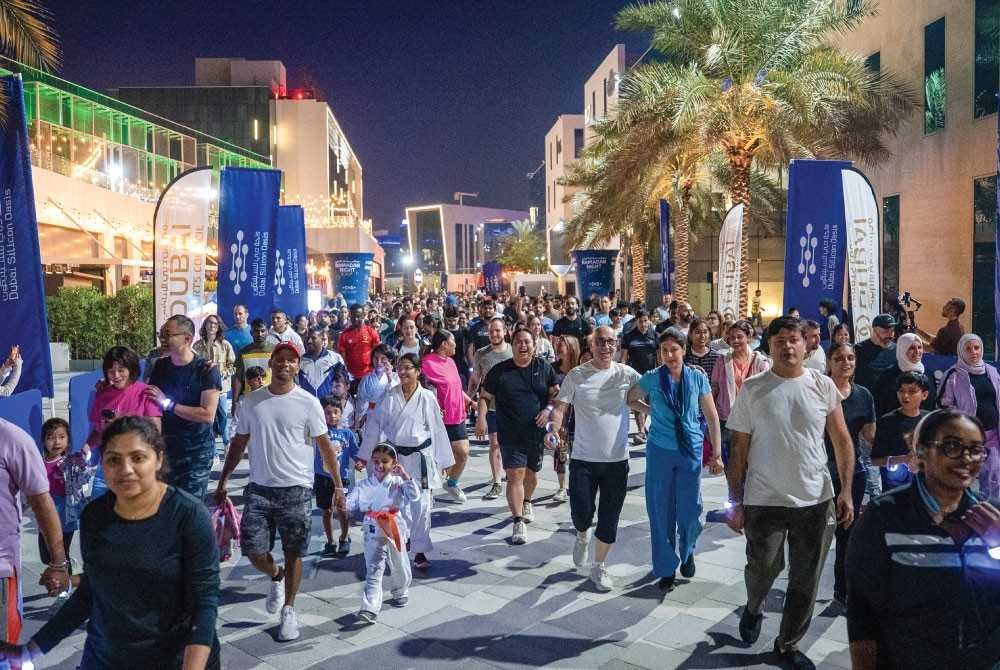
The atmosphere shifts completely. Dubai slows down during the day and comes alive at night. Work schedules change. Social patterns flip. Life operates differently for a month.
The Real Restrictions (And What They Mean for You)
Let’s address the elephant in the room. Yes, there are rules during Ramadan. But they’re not what most tourists fear.
Eating and drinking in public: This used to be strictly forbidden for everyone during daylight hours. Rules have relaxed significantly in recent years. You can now eat and drink in many cafes and restaurants during the day. However, being respectful matters. Don’t walk down the street munching a sandwich in front of fasting people. Don’t sit on a park bench gulping water while locals abstain.
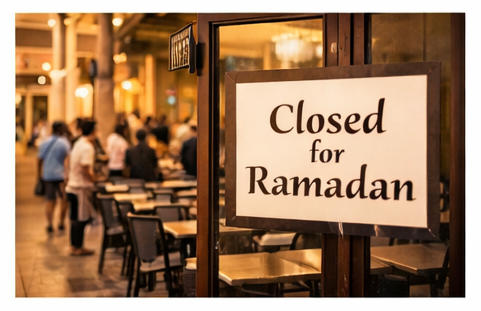
Hotels always allow eating and drinking in designated areas. Restaurants increasingly stay open during the day, though they may use curtains or screens for privacy. Mall food courts operate normally. You won’t starve.
Alcohol restrictions: Bars and nightclubs close during daylight hours. Some hotels restrict alcohol service until after sunset. Licensed venues that normally serve alcohol adjust their offerings. If drinking is essential to your vacation, Ramadan might cramp your style. If you can skip a few daytime drinks, you’ll manage fine.
Music and entertainment: Live music, dancing, and loud entertainment face restrictions. Desert safari experiences continue but skip the belly dancing and loud music. Theme parks operate but might tone down shows. Nightlife happens after iftar, not during the day.
Dress codes: Modest dress becomes more important. Cover shoulders and knees in public areas. Save the beach wear for actual beaches. This applies year-round in Dubai, but enforcement increases during Ramadan.
Public affection: Keep it minimal. Hand-holding is generally acceptable, but kissing or embracing in public isn’t appropriate during Ramadan (or any other time in Dubai, honestly).
What Actually Happens to Tourist Attractions
Here’s where the good news comes in. Most major attractions stay open during Ramadan with adjusted hours.
Burj Khalifa observation decks operate normally. Dubai Mall continues welcoming shoppers. Theme parks like IMG Worlds, Motiongate, and Bollywood Parks adjust timings but remain accessible. Many open later in the afternoon and extend evening hours.
The Dubai Frame, aquariums, museums, and cultural sites maintain operations. Desert safaris run with modifications to entertainment portions. Water parks typically open in late morning or early afternoon.
Beaches stay open. Public parks welcome visitors. Walking tours continue. You can still do virtually everything Dubai offers, just sometimes at different hours.
Shopping becomes incredible during Ramadan. Retailers offer massive discounts throughout the month. Malls extend hours into the night. If you love shopping, Ramadan in Dubai delivers serious value.
The Unique Experiences You’ll Only Get During Ramadan
This is where visiting during Ramadan gets interesting. Some experiences exist only during this month.
Iftar buffets: Hotels and restaurants create spectacular buffets for breaking the fast. These meals are events, not just dinners. Traditional Middle Eastern dishes, international cuisine, and desserts that defy description. Many venues welcome non-Muslim guests to join. Prices can be steep, but the experience and food quality often justify the cost.
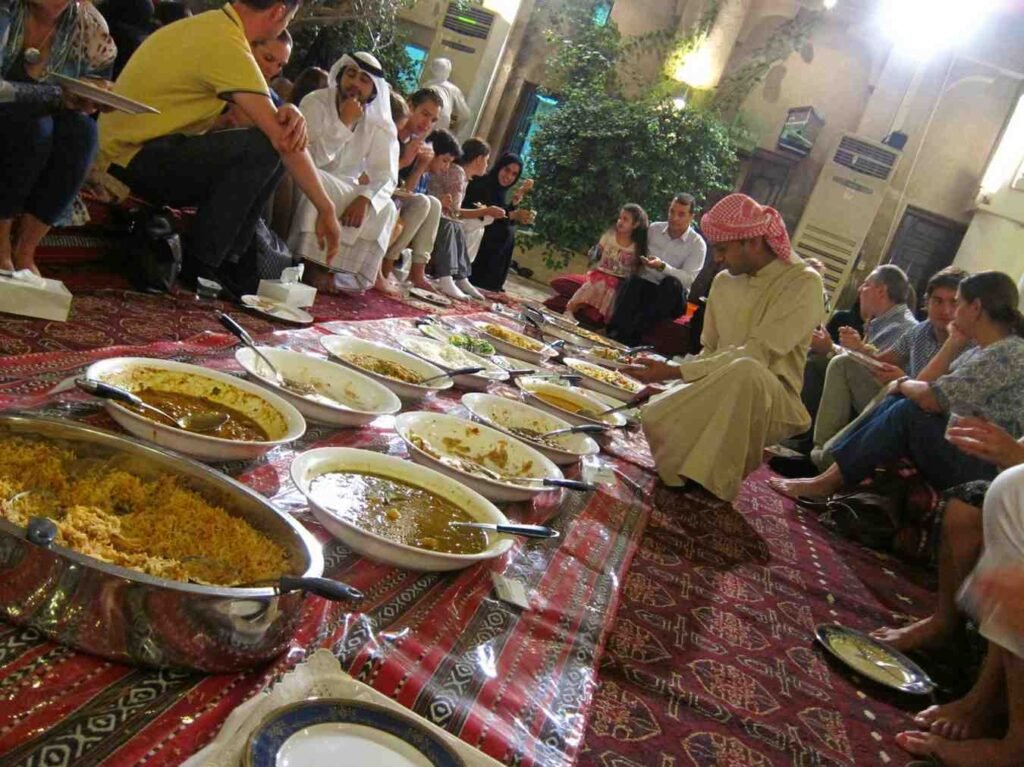
Ramadan tents: Temporary structures appear across Dubai, decorated beautifully and serving traditional food after sunset. These capture the authentic spirit of Ramadan in Arabian culture. Some are exclusive, others welcome tourists.
Night markets: Special Ramadan markets pop up after iftar, selling everything from traditional crafts to modern goods. These markets run late into the night, creating vibrant shopping experiences unavailable other times of year.
Charity and community: Witnessing the charitable spirit of Ramadan is powerful. People distribute free iftar meals to workers and those in need. The sense of community and generosity becomes visible everywhere.
The cannon: At sunset, a cannon fires to signal iftar. This tradition dates back centuries. Hearing that boom as the city collectively breaks fast creates a moment you won’t forget.
Extended hours: Malls, restaurants, and entertainment venues stay open much later than usual. Dubai becomes a genuinely 24-hour city during Ramadan. Night owls love this.
Honest Pros and Cons
Every travel decision involves trade-offs. Ramadan in Dubai is no exception. Some aspects work beautifully for certain travelers while creating challenges for others. Here’s what you gain and what you give up.
Advantages of visiting during Ramadan:
Fewer crowds at major attractions during the day means shorter lines and better photos. Prices drop across hotels, tours, and activities. You’ll find deals that don’t exist other times of year. The cultural experience is unique and memorable. Shopping discounts are legitimately good. Late-night atmosphere creates different energy. If you respect local customs, people appreciate your presence and cultural curiosity.
Disadvantages of visiting during Ramadan:
Daytime energy feels slower and quieter. Some restaurants close during the day or have limited menus. Alcohol access is restricted. Entertainment options narrow during daylight. Beach clubs may close or limit services. Navigating eating and drinking requires more thought. Some businesses operate on reduced hours. The festive party atmosphere Dubai is known for dims considerably.
Who Should Visit Dubai During Ramadan
This trip works great for certain travelers. Families with kids often love it. Attractions are less crowded. Prices are better. The cultural experience teaches children about different traditions. Hotels offer family-friendly iftar options.
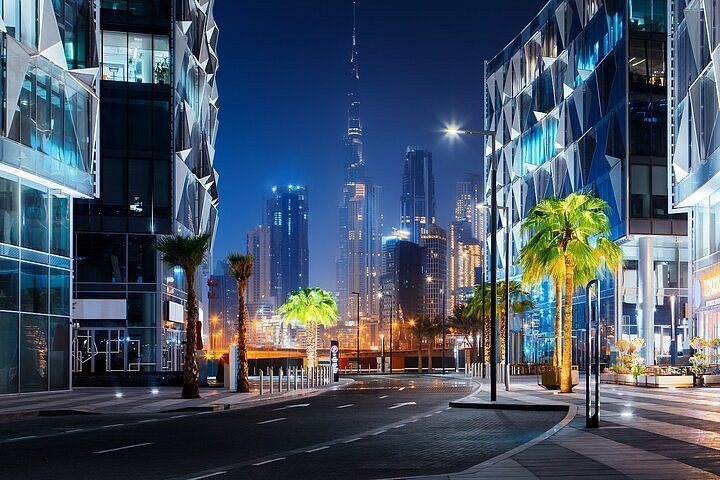
Culture enthusiasts find Ramadan fascinating. Experiencing Islamic traditions firsthand provides insights you can’t get from books. The spiritual atmosphere and community focus create meaningful travel memories.
Budget travelers benefit enormously. Lower hotel rates. Attraction discounts. Shopping deals. Your money stretches further during Ramadan than any other time.
Respectful, adaptable travelers do well. If you can adjust expectations, show cultural sensitivity, and see restrictions as interesting differences rather than inconveniences, you’ll have a great time.
Who Might Want to Avoid It
Party-focused travelers should probably skip Ramadan. If nightlife, beach clubs, and daytime drinking are essential to your Dubai experience, you’ll be disappointed. The party scene exists but operates differently.
First-time visitors might prefer experiencing Dubai’s full energy. While Ramadan offers unique aspects, it doesn’t showcase the city’s typical vibe. Coming during Ramadan then returning later gives you both perspectives.
Inflexible travelers who struggle with unexpected changes might find Ramadan frustrating. Hours shift. Services vary. Plans require adjusting. If that stresses you out, consider different dates.
Business travelers might face complications. Reduced work hours. Different energy levels. Meetings scheduled around prayer times. If business is your primary purpose, Ramadan adds layers of complexity.
Practical Tips for Navigating Ramadan in Dubai
Download restaurant and attraction apps before arriving. Check opening hours daily, as they can change. Many businesses post Ramadan schedules on social media or websites.
Carry snacks and water in your bag. You can drink and eat discreetly if needed. Hotel rooms, taxis, and designated restaurant areas allow eating anytime. Don’t feel you must fast if you’re not Muslim, just be respectful about where and how you eat.
Plan activities for late afternoon and evening. Attractions open later anyway. Crowds increase after iftar. The city’s energy peaks from 9pm to 2am during Ramadan.
Book iftar experiences in advance. Popular hotel buffets sell out quickly. Make reservations for any special Ramadan events or dinners you want to attend.
Use the greeting “Ramadan Kareem” or “Ramadan Mubarak” when appropriate. Both are polite ways to acknowledge the holy month. At Eid, say “Eid Mubarak.”
Stay hydrated in your hotel. Dubai weather in February-March is pleasant but still warm. Drink plenty of water in private spaces.
Be patient with service. People fasting for 12-14 hours while working are doing their best. Energy dips toward the end of the day. A little understanding goes a long way.
The Bottom Line: Should You Visit?
Visiting Dubai during Ramadan isn’t wrong or bad. It’s different. Whether different works for you depends on what you want from your trip.
You’ll save money. Experience unique culture. See a side of Dubai most tourists miss. Enjoy emptier attractions and incredible food. But you’ll also face restrictions, adjusted schedules, and a quieter daytime atmosphere.
My honest take? If you’re curious about Islamic culture, willing to be respectful, and can adapt to changes, go for it. The pros outweigh the cons for many travelers. You’ll have stories nobody else has.
If you want classic Dubai energy, unlimited partying, and zero complications, maybe pick different dates. Ramadan Dubai is fascinating but it’s not standard Dubai.
The worst reason to cancel? Because someone said you shouldn’t visit during Ramadan without explaining why. The second-worst reason? Assuming you’ll be miserable without understanding what actually happens.
The best reason to visit? You’re genuinely interested in experiencing Dubai during this special month. You want to see the cultural side. You appreciate that travel sometimes means stepping outside your comfort zone.
Ramadan in Dubai isn’t for everyone. But it might be exactly what makes your trip unforgettable. Only you know which category you fall into.
Read reviews from people who visited Dubai during Ramadan. Ask specific questions about your planned activities. Contact your hotel about their Ramadan policies and iftar options.
Make an informed choice based on your actual interests and travel style. That’s the real dubai travel tip nobody mentions. Know yourself. Know what you want. Then decide if Ramadan Dubai delivers it.
The holy month transforms the city. Whether that transformation enhances or complicates your experience depends entirely on you.