
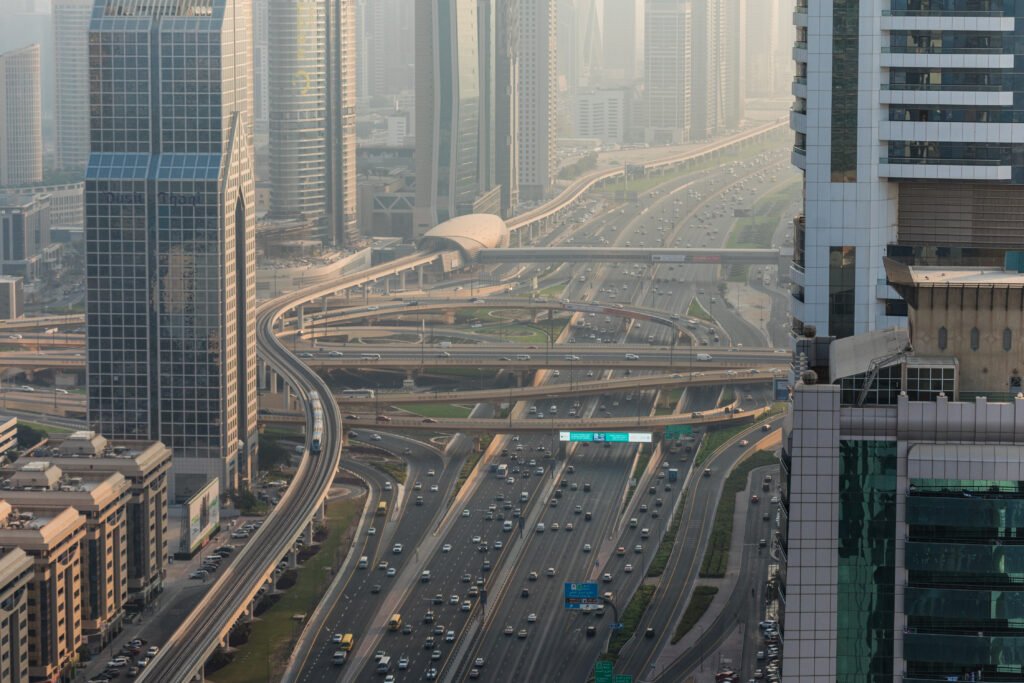
You arrive in Dubai for the first time. Your phone is out, ready to navigate to your hotel. Something feels off when you type in the address. The format looks strange. Directions seem vague. Did you mess something up?
Welcome to Dubai’s addressing system. Or rather, the lack of one.
Most places in the world work a certain way. Streets have names. Buildings have numbers. Addresses follow simple patterns like “123 Main Street” or “456 Park Avenue.” Dubai is different. When you’re travelling to Dubai, knowing this quirk will save you hours of confusion.
Why Dubai Has No Traditional Street Addresses
Dubai grew without traditional street addresses because the city expanded too fast. Buildings appeared before streets got names. Communities formed before postal systems arrived. People relied on landmarks and district names instead. Eventually, PO Boxes became the standard.
That’s the short version. The full story is better.
How Dubai’s Rapid Growth Created the Address Problem
Dubai’s growth was wild. The 1970s saw a small trading port. Fast forward to the 2000s, and it became a global city. Whole neighborhoods popped up in months. Skyscrapers rose from sand in just years.
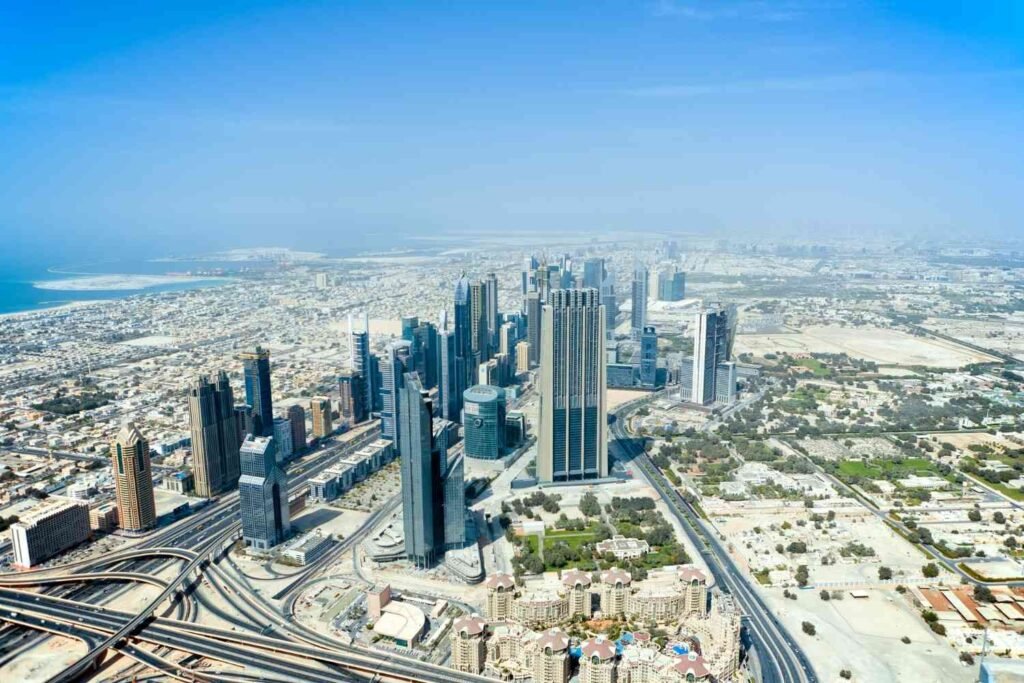
Normal address systems need time. Streets must be named. Boundaries need surveying. Numbers get assigned. Maps have to be printed. Information requires distribution. But in Dubai? By the time one area got finished, three new ones had already been built.
Early residents found ways around it. Landmarks became the main navigation tool. “Near the Burj Al Arab” or “opposite Dubai Mall” became normal. Taxi drivers learned buildings, not street names. Delivery drivers called customers to find them.
This informal system worked for decades. But problems grew with the city.
Problems Caused by Missing Street Addresses in Dubai
Emergency services suffered most. Someone calls for an ambulance saying “I’m near the roundabout in Deira.” That could mean dozens of spots. Lost minutes finding the right place could cost lives.
Delivery services had constant headaches. Picture this conversation: “I’m at Marina building number 3.” “Which one? There are 15 buildings with that number.” “The one near the grocery store.” “Which grocery store?”
New residents felt lost. Expats from countries with logical addresses spent weeks confused. Giving your home address meant drawing maps or writing long instructions.
Businesses struggled too. Companies couldn’t route deliveries well. Customer service couldn’t help people find stores. Even ordering food became a long talk about landmarks.
What is Makani? Dubai’s Digital Address System
Dubai Municipality launched Makani in 2015. The name means “my location” in Arabic. This digital system gives every building entrance a unique 10-digit code.
Each code links to exact GPS coordinates. Type the number into the Makani app or Google Maps. You get taken to the precise entrance. No confusion. No guessing. Just exact spots.
Makani works because it’s simple. Numbers work in all languages. A city where people speak hundreds of languages needs this. A Pakistani delivery driver and a French customer both understand “3571234567” perfectly.
Buildings now show blue and white plaques near entrances. These display their Makani numbers. Big places like Dubai Mall have several numbers for different doors. Parks get separate codes for each gate. Everything is covered now.
How to Use Makani Numbers for Navigation
Download the free app on your phone. The setup is easy. Search by address to find the Makani number. Use GPS to find where you are now. Click any building on the map to see its code.
Got a Makani number? Share it instantly through WhatsApp, SMS, or email. The other person enters it into their map app. They get exact directions. No phone calls back and forth. No explaining which tower or which entrance.
Emergency services love Makani now. Call for police, fire, or ambulance help. Give them your Makani code. Responders find you immediately. The system connects to their dispatch computers.
Delivery companies prefer Makani over vague descriptions. Their routing software works better with precise coordinates. The “last mile” problem gets much easier with exact locations.
Dubai’s New Street Names Add Another Layer
Just when things make sense, there’s another layer. Dubai is also adding traditional street names now. Yes, really.
Authorities spent the past decade naming streets everywhere. The city splits into 14 districts. Each district has themed names. Jumeirah streets use marine words like fish species and boat types. Financial areas reference ancient Arab money. Historic spots use heritage names.
Now some places have three identifiers. The old landmark description. The Makani number. The new street name. People mix all three depending on who they’re talking to.
This creates real confusion for visitors. Your hotel confirmation might list a street address. You may need a Makani number for your taxi app Your friend might use landmarks. All three mean the same place, just different formats.
Using Google Maps in Dubai: What You Need to Know
Google Maps functions in Dubai but has quirks. The app shows street names that many locals don’t know. It displays Makani numbers when you zoom in close. Major landmarks appear prominently.
The best approach? Use Google Maps but double-check with Makani for important stuff. Business names usually work fine for restaurants and hotels. Residential buildings need Makani numbers to save time.
One annoyance exists. Not all buildings show Makani numbers in Google Maps yet. Integration keeps improving but gaps remain. When uncertain, open the dedicated Makani app instead.
Essential Navigation Tips for Dubai Visitors
Save the Makani app before your trip. Learn how it works at home. This prep saves stress when you’re tired and hunting for your hotel.
Screenshot your hotel’s Makani number. Keep it handy. Show it to taxi drivers instead of describing locations. This habit prevents endless navigation problems.
Major landmarks are worth learning fast. Even with digital tools, locals still talk in landmarks. Knowing where Burj Khalifa, Dubai Mall, and JBR Beach sit helps your mental map.
Street addresses alone aren’t enough. Someone gives you just a street name? Ask for the Makani number too. Get a nearby landmark as backup. Extra information helps when one method fails.
Ride-sharing apps work great here. Uber and Careem handle Dubai’s location mess well. They solve addressing problems behind the scenes. Drop a pin or enter the place name. Drivers usually find you fine.
How Dubai’s Address System Affects Trip Planning
Understanding addresses changes how you plan. Booking restaurants? Check their Makani numbers first. Scheduling tours? Confirm pickup spots with GPS coordinates. Meeting friends? Share precise location data, not vague hints.
This matters most for hotels. Reading addresses with community names, building names, and Makani numbers looks weird at first. Once you get the system, you can judge locations accurately using maps.
Good tour operators provide Makani numbers for pickups. This shows they know local navigation realities. Operators using only street addresses might lack experience.
Why Dubai Has No Postal Codes or Zip Codes
Here’s another odd thing. Dubai has no postal codes or zip codes technically. The UAE uses PO Boxes instead. Mail goes through post office boxes, not home delivery.
International websites need a zip code for Dubai? Most people type “00000” as filler. This trick works on most sites. Actual delivery happens through Makani numbers and PO Boxes.
This sounds old-fashioned but works well. Courier services navigate fine without postal codes. They use Makani numbers, GPS, and customer calls. Different but functional.
Understanding Dubai’s Multiple Address Systems
Dubai runs several address systems at once. The Makani digital approach. The emerging street names. Traditional landmark descriptions. The PO Box postal method. None have killed off the others.
Short trips matter less. You’ll mainly use Makani numbers and landmarks. Let taxi drivers and apps handle the hard stuff.
Longer stays benefit from knowing all three. Different situations need different methods. Government forms might want street addresses. Emergency calls need Makani numbers. Casual directions work better with landmarks.
Good news? Everyone deals with this confusion. Nobody expects perfect location descriptions. Giving multiple references is normal here, not a mistake.
Practical Tips: What This Means for Your Dubai Trip
These dubai travel tips will boost your confidence. First, embrace technology. Download Makani and Google Maps before arriving. Charge your phone fully before going out. Carry portable chargers since navigation drains batteries.
Second, communicate clearly. Giving or getting directions? Confirm information multiple ways. Ask for Makani numbers even with landmark descriptions. Check locations on maps before making plans.
Third, add buffer time. Navigation takes longer when you’re new to the system. Got an important meeting or reservation? Leave early. The stress relief is worth extra minutes.
Fourth, call ahead without worry. Restaurants, hotels, and attractions expect location questions. They can give detailed directions that work for your situation.
The Future of Addressing in Dubai
The city keeps improving its approach. More street signs appear yearly. Makani spreads across more apps and services. These systems might eventually merge into something unified.
Right now, Dubai sits in transition. Old landmark habits stick around. New digital tools gain users. Traditional street addressing slowly grows. This mix reflects Dubai itself, caught between traditional Arab culture and futuristic dreams.
How to Adapt to Dubai’s Navigation Challenges
Weird addresses frustrate visitors at first. After a few days, most adapt. Makani works once you trust it. Landmarks become familiar. Confusion turns into just another Dubai quirk.
This navigation challenge comes from building a city so fast. Normal infrastructure couldn’t match the speed and ambition. Rather than waiting for perfect systems, Dubai created imperfect solutions that work okay.
Standing in front of a building trying to find the entrance? Your phone shows three different location descriptions? Remember this tells a fascinating story. You’re experiencing a city that grew faster than addresses could be made. You’re using a digital system built to solve problems no other city faced this way.
Dubai Navigation Survival Checklist
Remember these points. Always get Makani numbers when you can. Use several apps for backup checks. Save important spots offline in Google Maps. Share your location with friends when meeting. Screenshot directions before needing them.
Ask locals for help. Don’t feel embarrassed. Everyone remembers being confused at first. People enjoy helping visitors succeed. That human touch often beats any app.
Trust technology over gut feelings. Makani or Google Maps shows a spot that seems wrong? It’s usually right. Dubai’s layout defies expectations often. Buildings looking close might have highways between them. Walkable distances often aren’t.
Summary: Navigating Dubai Without Traditional Addresses
Dubai lacks traditional street addresses because growth happened too fast. Makani provides a digital fix using 10-digit GPS codes. Street names are being added slowly but haven’t replaced other methods.
For visitors, the reality is straightforward. Download Makani. Use those 10-digit codes whenever possible. Keep Google Maps as backup. Learn major landmarks. Describe locations multiple ways. Give yourself extra navigation time.
The addressing chaos feels less wild once you know the history. Dubai solved a unique urban challenge with smart technology. Results aren’t perfect but they work. Figuring out this system becomes part of your Dubai story.
Successfully guiding a taxi with a 10-digit code feels good. Helping another lost tourist find their hotel feels even better. You’ve mastered something that seemed impossible. That’s real travel and learning. That’s adventure beyond the shopping and towers. I hope you enjoy your Dubai travel journey.
Welcome to Dubai. Even the addresses are an experience.