
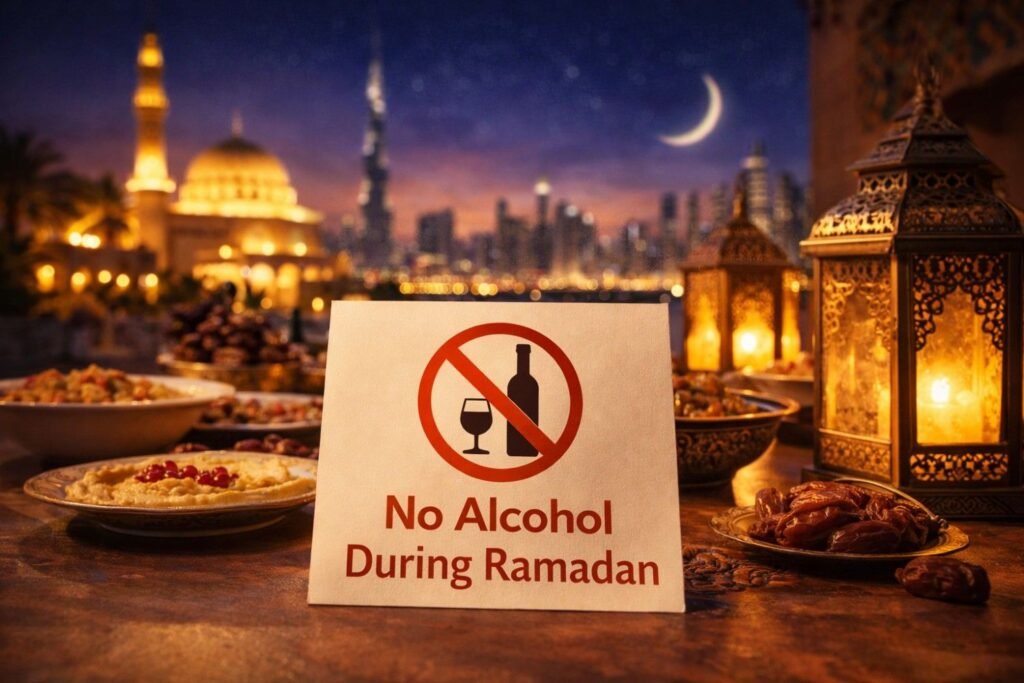
You’re planning your Dubai trip. The dates fall during Ramadan. Someone mentions alcohol might be banned completely. Your heart sinks. Is your vacation ruined?
Let me clear this up right now. You can drink alcohol during Ramadan in Dubai. But the rules change. Understanding exactly what those changes mean will save you stress and help you plan better.
The Direct Answer You’re Looking For
Yes, tourists can drink alcohol during Ramadan in Dubai. Hotels serve alcohol to guests throughout the holy month. Most bars and restaurants with licenses serve alcohol after sunset. However, daytime drinking at bars and public venues is restricted. Clubs typically close for the entire month. Private consumption in hotel rooms remains unrestricted 24/7.
That’s the bottom line. Now let’s break down what this actually looks like in practice.
How Alcohol Regulations Change During the Holy Month
Dubai’s alcohol regulations are strict year-round. You can only drink in licensed venues like hotels, bars, and restaurants. Public drinking is always illegal. During Ramadan in Dubai, these existing rules get tighter.
Daytime service stops at most venues. Bars that normally open for lunch don’t serve alcohol until after sunset. Beach clubs remain closed or operate without alcohol during fasting hours. The party scene essentially pauses during daylight.
Once sunset arrives, things shift. Licensed bars reopen their doors. Restaurants start serving drinks again. Life returns to something closer to normal, though it’s not exactly the same as regular Dubai nights.
Which Venues Continue Serving Alcohol to Tourists
Your hotel bar becomes your best friend during Ramadan. Hotels with alcohol licenses continue serving guests throughout the holy month. Room service delivers drinks 24 hours a day without interruption. Hotel restaurants typically start alcohol service around noon or sunset, depending on the property.
Many standalone bars operate after sunset. Check specific venues before visiting, as hours vary widely. Some establishments use curtains or screens for discretion during the day. Others simply don’t open their doors until evening arrives.
Licensed restaurants serve alcohol after iftar, the sunset meal when Muslims break their fast. Expect service to begin around 7pm or 8pm in most places. Reservations become more important during Ramadan, as evening crowds are larger than usual.
What Closes or Has Limited Service During Ramadan
Nightclubs shut down almost entirely during Ramadan in Dubai. Live music, DJ sets, and loud entertainment aren’t permitted during the holy month. The clubs that define Dubai’s nightlife scene go dark for 29 or 30 days straight.
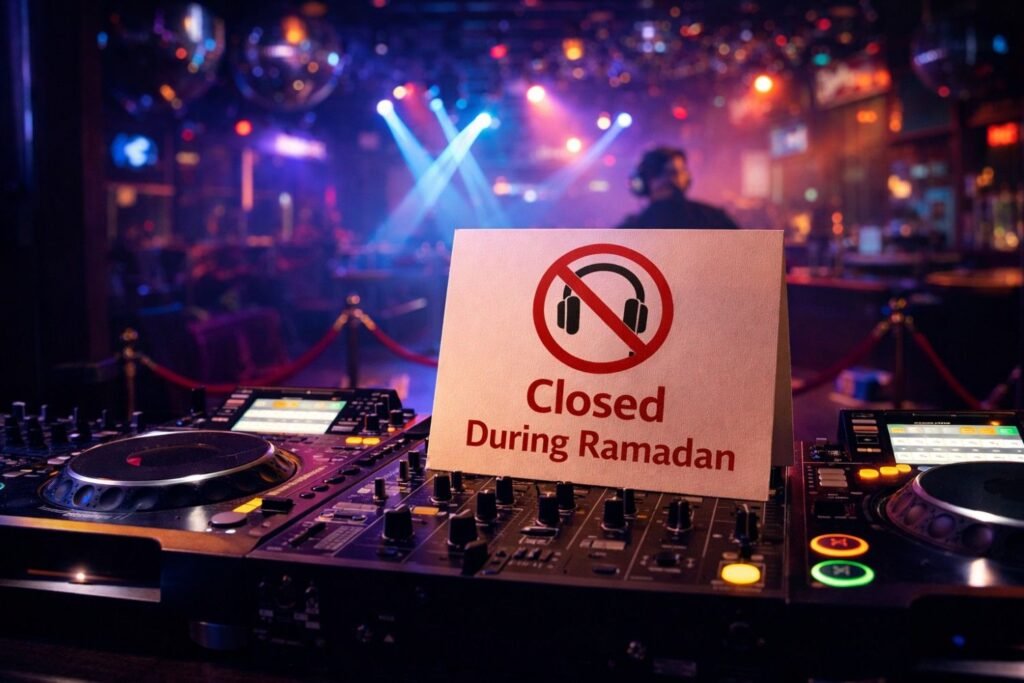
Beach clubs face major restrictions during this period. Most close completely or operate without alcohol service. The daytime party vibe that makes places like Zero Gravity and Azure famous disappears during Ramadan.
Rooftop bars adjust hours significantly throughout the month. Venues that normally serve sunset cocktails wait until after dark to begin service. Your Instagram-worthy golden hour drinks get postponed until later in the evening.
Brunches continue but change format considerably. The famous Friday brunch parties still happen, but they’re alcohol-free during daylight hours. Some venues cancel their brunch programs entirely during Ramadan.
Rules for Drinking in Your Hotel Room or Private Accommodation
Here’s where tourists have the most freedom during Ramadan. Drinking in your hotel room faces zero restrictions at any time of day. Order room service whenever you want. Bring bottles from duty-free without worry. Enjoy drinks on your private balcony without limitation.
Private villas and vacation rentals follow similar rules throughout the holy month. If you’re staying in a rented property, you can drink privately without any issues. Just keep it indoors and maintain reasonable noise levels.
The key word is private. Don’t take drinks to the pool or beach area during daytime fasting hours. Avoid walking through the lobby carrying visible alcohol bottles. Keep consumption behind closed doors during the hours when others are fasting.
Where and How to Purchase Alcohol During the Holy Month
Duty-free shops at Dubai Airport operate normally throughout Ramadan. Stock up when you arrive if you want drinks for your hotel room. The 4-liter limit per person still applies during this period.
Licensed stores like MMI and African + Eastern stay open but adjust their operating hours. They typically operate in the evening rather than all day long. Some locations open around noon for customer convenience. Check specific store hours before visiting to avoid wasted trips.
You don’t need a special license as a tourist to buy from these stores. Show your passport and hotel booking if asked by staff. Prices remain high due to the 30% alcohol tax that returned in 2025.
Hotels usually don’t restrict bottle purchases from their bars during Ramadan. Ask the bartender about buying bottles to take to your room instead of drinking at the bar. This often costs less than repeated room service orders throughout your stay.
What You Need to Know About Alcohol Prices and Happy Hours
Alcohol costs more during Ramadan in Dubai, at least indirectly. Regular happy hour deals often disappear from menus. Venues that normally offer 2-for-1 specials reduce their promotions during the holy month.
Average prices at hotel bars run:
- Pint of beer: AED 45-65
- Glass of wine: AED 50-80
- Cocktails: AED 70-100+
- Bottle of wine: AED 200-400
These prices include the 30% municipality tax, service charges, and VAT. Budget accordingly. A night out during Ramadan costs the same or more than usual despite fewer options.
Important Etiquette When Drinking During the Holy Month
Being respectful matters more during Ramadan than any other time of year. Your Muslim friends, hotel staff, and taxi drivers are fasting from dawn to sunset. Millions of people abstain from food and water during daylight hours. Keep this context in mind when you drink.
Don’t consume alcohol in front of fasting people unnecessarily during the day. If you’re at a hotel restaurant during daylight hours, discretion helps everyone. Sit away from windows where possible. Use the screened areas that many venues provide specifically for this purpose.
Avoid walking around Dubai carrying visible alcohol containers at any time. Keep bottles concealed in bags when transporting them. Don’t photograph yourself drinking during daytime hours. Social media posts of daytime drinking during Ramadan show poor cultural awareness.
Skip public intoxication entirely throughout your stay. This is illegal year-round but draws more attention during Ramadan from both locals and authorities. Take taxis or ride-shares to get home safely. Don’t stumble through hotel lobbies after drinking. Keep yourself composed and respectful.
Understanding Enforcement and What Happens If You Break the Rules
Dubai police don’t target tourists drinking legally during Ramadan in appropriate venues. Hotels remain safe spaces for alcohol consumption throughout the holy month. Authorities understand tourism economics and don’t create problems for respectful visitors who follow the guidelines.
Violations happen when people push boundaries or ignore cultural sensitivities. Drinking in public parks during fasting hours. Carrying open containers on streets at any time. Getting drunk and causing disturbances in public areas. These behaviors get penalized during Ramadan even more severely than usual.
Fines for public drinking start around AED 1,000 and can escalate quickly. Public intoxication can reach AED 5,000 plus potential jail time depending on circumstances. Driving after drinking remains zero tolerance with AED 20,000+ fines, license suspension, and possible deportation for serious violations.
Smart Planning Tips for Your Ramadan Visit
Book hotels that emphasize their bars and restaurants in marketing materials. Properties targeting international tourists maintain better alcohol service during Ramadan than local-focused hotels. Check hotel websites for specific Ramadan policies before making your reservation.
Lower your nightlife expectations significantly if clubs matter to you. If beach parties and club scenes are essential to your trip, consider booking different dates. Ramadan isn’t the right time for Dubai’s legendary party scene experience.
Budget for fewer venue options and higher per-drink costs. You’ll rely more on hotel bars where prices run higher than street-level establishments. Many cheaper spots close completely during the holy month, limiting your options.
Schedule activities earlier in the day when possible. Attractions, shopping, and cultural experiences work better during daylight when bars are closed anyway. Save evenings for dining and drinks after sunset when venues come alive.
Unexpected Benefits of Visiting Dubai During Ramadan
Fewer party tourists mean quieter hotel bars throughout the month. If you prefer conversation over loud music and crowded venues, Ramadan creates a more relaxed drinking atmosphere. Many venues feel less crowded after 10pm compared to regular months.
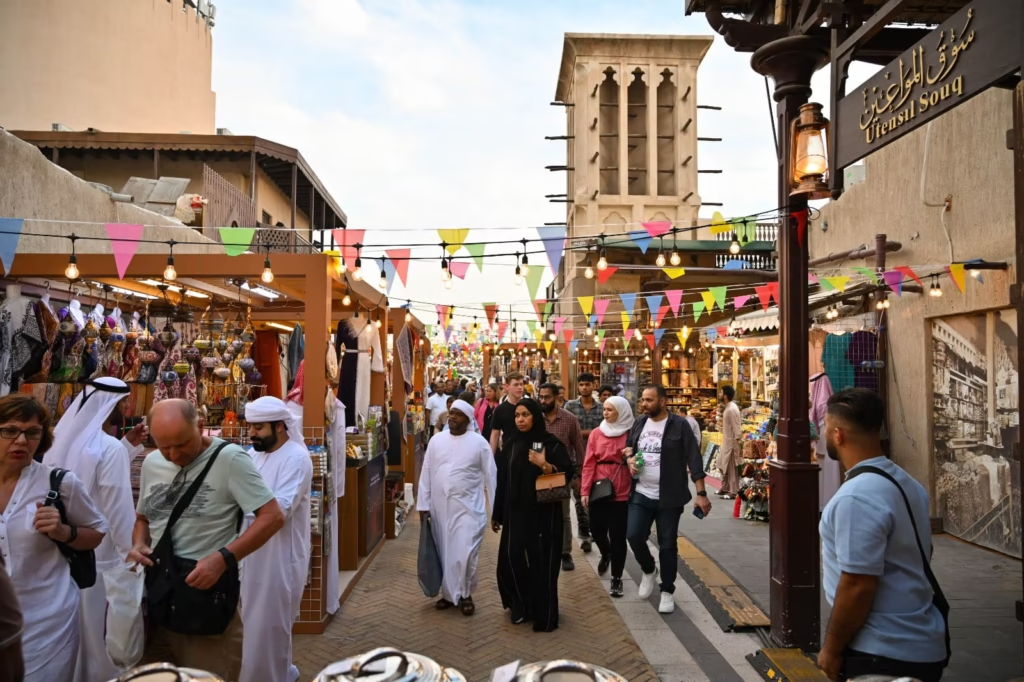
Cultural curiosity gets rewarded in meaningful ways during this time. Visiting during Ramadan lets you experience iftar traditions firsthand. Many hotels welcome non-Muslim guests to iftar buffets where you’ll enjoy incredible food alongside traditional Arabian hospitality.
Longer operating hours at restaurants compensate for daytime restrictions nicely. Places stay open until 2 am or 3 am during Ramadan to accommodate the shifted schedules. Your evening out can last longer than usual without venues closing early.
Common Mistakes Tourists Make About Alcohol Access
Assuming all alcohol access disappears is the biggest misconception. This panic causes unnecessary stress and even trip cancellations. Hotel bars and restaurants continue serving tourists throughout Ramadan without major interruptions.
Not checking specific venue hours before heading out wastes time and causes frustration. Call ahead or check social media for updated schedules before leaving your hotel. Hours change frequently during Ramadan in Dubai, and websites aren’t always current with the latest information.
Forgetting about sunset timing affects your plans more than you’d think. Iftar happens around 7pm in February-March when Ramadan typically falls. Plan accordingly for this timing. Many venues don’t serve until 30-45 minutes after iftar when staff can break their fast and return to work.
Bringing obvious expectations from home sets you up for disappointment. Dubai during Ramadan operates differently than your usual vacation destinations. Accepting these differences rather than fighting them makes for a significantly better experience overall.
Exploring Non-Alcoholic Beverage Culture During Ramadan
Non-alcoholic cocktails become prominent during Ramadan across the city. Hotels create elaborate mocktail menus showcasing creativity without alcohol. These drinks offer surprising complexity and flavor, making them worth trying even for dedicated alcohol drinkers.
Fresh juice bars thrive during Ramadan throughout Dubai. Traditional Arabic juice combinations offer delicious alternatives to alcoholic beverages. Venues mix pomegranate, mint, lemon, and other fruits into refreshing drinks that highlight regional flavors.
Coffee culture intensifies during the holy month in fascinating ways. Qahwa (Arabic coffee) and dates appear everywhere after sunset as traditional iftar starters. Participating in these traditions adds cultural depth to your experience beyond just finding places to drink alcohol.
Should You Cancel Your Trip Over Alcohol Restrictions?
Only if alcohol access is absolutely essential to your vacation enjoyment. Most tourists find Ramadan restrictions manageable with minor adjustments. You can still drink throughout the holy month, just with adjusted timing and more limited venue options.
First-time visitors to Dubai might prefer seeing the city during regular months initially. Experience standard Dubai first to understand the baseline. Return during Ramadan later if you’re curious about the cultural aspects and unique atmosphere.
Travelers focused on culture, food, and sightseeing won’t miss much at all. Attractions remain open with normal operations. Shopping continues as usual or better. Restaurants serve excellent meals throughout the evening. The drinking restrictions become a minor footnote in an otherwise full trip.
Party-focused travelers should definitely reconsider their timing seriously. No clubs operating means no late-night dancing. Limited beach clubs means no daytime party scene. Restricted daytime drinking limits spontaneous celebrations. If your ideal vacation revolves around these elements specifically, pick different dates for your Dubai visit.
Understanding Dubai’s Balancing Act During the Holy Month
Dubai balances Islamic values with international tourism year-round successfully. Ramadan tips that balance toward religious observance while maintaining openness. The city asks visitors to respect the holy month while still welcoming them with open arms.
You’re not expected to fast as a non-Muslim visitor. You’re not forbidden from drinking alcohol in appropriate venues. You’re simply asked to be mindful of the cultural context. Keep alcohol consumption in appropriate venues and times. Show respect through your behavior and awareness.
Thousands of tourists visit successfully during Ramadan every year without issues. Hotels maintain their service standards throughout the month. Restaurants continue serving quality meals and drinks. Life goes on across the city, just at different hours with different energy than usual.
Making Your Final Decision About Visiting
Can you drink alcohol during Ramadan in Dubai? Yes, absolutely. Will your drinking experience match regular Dubai visits? No, it won’t be identical. Should this stop you from visiting the city? That depends entirely on your priorities and expectations.
Understanding the real rules removes unnecessary stress and confusion. Hotel bars stay open throughout Ramadan. Room service delivers alcohol 24/7 without restriction. Evening venues operate normally after sunset prayers. These facts should calm most concerns about alcohol access during your trip.
The restrictions exist for religious and cultural reasons worth respecting. Dubai isn’t trying to ruin your vacation plans. The city honors its Islamic heritage during the holiest month while still accommodating tourists and maintaining its international appeal.
Make informed decisions based on accurate information rather than rumors or assumptions. If you can adapt to modified alcohol access, Ramadan offers unique experiences you won’t get at other times of year. If drinking flexibility matters more than cultural immersion, plan your visit for different dates instead.
Either choice is valid and reasonable for different travelers. Just make it knowing the real situation rather than panicking over exaggerated restrictions that don’t actually exist in practice.