

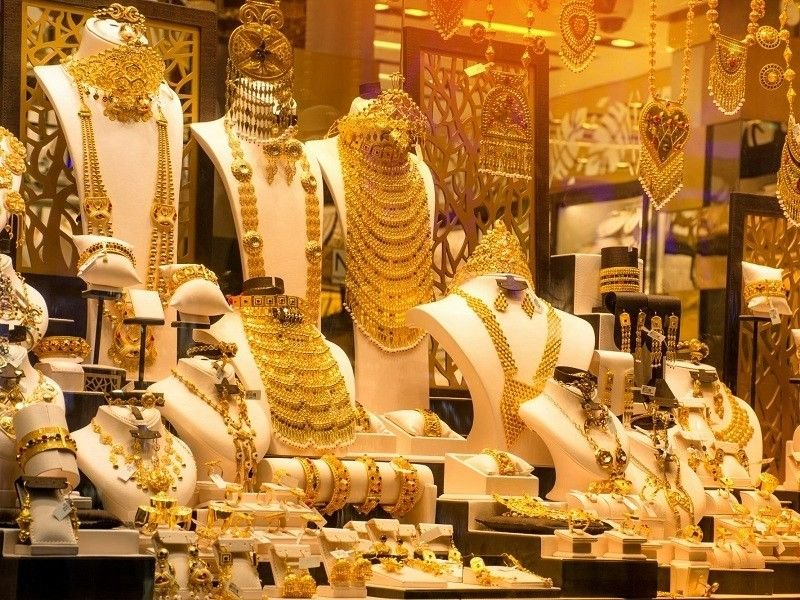
You walk into Dubai’s Gold Souk. Thousands of gold pieces glitter under bright lights. Shop owners smile warmly. Prices seem incredible. Everything looks authentic.
Then doubt creeps in. Is this 22 karat really 22 karat? Is this price fair? Am I about to make an expensive mistake?
I’ve seen tourists walk out of the Gold Souk thrilled with their purchases. I’ve also seen them realize weeks later that they overpaid by 40 percent. The difference? Knowing what to look for and how to negotiate properly.
Let me show you exactly how to buy gold in Dubai without getting burned.
The Truth About DUBAI Gold Souk Pricing (That Nobody Mentions)
Here’s what shocked me when I first understood Dubai’s gold market. The gold itself costs basically the same everywhere. Shops display the daily gold rate on screens. That rate is standard across the souk.
So why do prices vary wildly between shops? Making charges.
Making charges are labor costs for crafting jewelry. This is where shops make their profit. This is also where tourists get taken advantage of.
A simple gold chain might have a making charge of AED 5 per gram. An intricate design could be AED 30 per gram or more. Some shops quote making charges of AED 50-60 per gram for designs you can find elsewhere for AED 15.
The shop owner won’t lead with this information. He’ll show you the beautiful piece. Quote a total price. When you ask for a breakdown, the making charge reveals itself.
Always ask three questions before discussing price:
- What’s the current gold rate today?
- What’s the exact weight of this piece?
- What’s your making charge per gram?
Do the math yourself. Gold rate multiplied by weight, plus making charge multiplied by weight, equals your price. If the shop’s total doesn’t match your calculation, walk away.
The Purity Test You Must Demand
Dubai has strict regulations about gold purity. Every piece should have a hallmark stamp. This tiny marking tells you the gold’s karat.
But here’s the problem. Not every shop follows the rules perfectly. Some pieces lack proper hallmarks. Others have stamps that don’t match the actual purity.
Before buying any gold piece, demand a purity test. Legitimate shops have electronic gold testing machines. The process takes less than two minutes.
The shopkeeper places the jewelry in the machine. It analyzes the metal composition. A digital display shows the exact purity percentage. No guessing. No trusting stamps alone. Just facts.
Good shops offer this test without you asking. They want to prove their gold is genuine. Hesitation when you request testing is a massive red flag.
I once watched a shop owner suddenly remember he needed to “check something in the back” when a customer asked for purity testing. The customer waited fifteen minutes. The owner never returned. Another employee said he’d left for the day.
That customer saved thousands of dirhams by simply requesting a test.
The Hallmark Stamps That Actually Matter
Understanding hallmark stamps prevents most gold-buying mistakes. These tiny markings contain crucial information.
The karat marking (22K, 21K, 18K, etc.) indicates gold purity. 24K is pure gold but too soft for jewelry. 22K contains 91.6% gold. 21K has 87.5% gold. 18K contains 75% gold.
Higher karat means more gold content. It also means a higher price and softer metal. Most Dubai gold jewelry comes in 22K or 21K.
Look for the manufacturer’s mark next to the karat stamp. This identifies who made the piece. Reputable manufacturers stake their reputation on accurate markings.
Some pieces also show a certification mark from Dubai Central Laboratory or similar authorities. This adds verification but isn’t always present on every piece.
Missing hallmarks mean missing your purchase. Don’t buy unmarked gold regardless of the price or the seller’s assurances.
Bargaining Tactics That Actually Work
Bargaining in the Gold Souk isn’t optional. It’s expected. But most tourists bargain terribly.
They make an absurdly low offer. The shopkeeper laughs. They awkwardly raise their offer. The shopkeeper stays firm. They end up paying close to the asking price anyway.
Smart bargaining follows a different pattern.
Start by visiting five or six shops. Don’t buy anything yet. Ask prices for similar items at each location. You’ll quickly learn the market rate. You’ll understand what making charges are reasonable.
When you find a piece you want, confirm the weight and making charge. Calculate what you think is fair based on your earlier research. Make that your first offer.
The shopkeeper will counter higher. You counter slightly higher than your first offer. He drops his price a bit. You’re negotiating the making charge, not the gold rate.
The gold rate is fixed. You can verify it on your phone. The making charge is negotiable.
Aim to reduce making charges by 30-50 percent from the initial quote. This is totally achievable for simple designs. Complex handcrafted pieces justify higher making charges.
Here’s a tactic that works surprisingly well. Pull out your phone calculator. Show the shopkeeper your math. Point to the gold rate on his own screen. Calculate what you’re willing to pay per gram for making.
This approach shows you understand the pricing structure. Shopkeepers respect informed buyers. They’re less likely to play games when you clearly know what you’re doing.
Red Flags That Scream “Walk Away”
Pressure tactics appear frequently in tourist-heavy areas. “Special price today only.” “My manager will be angry if I sell this cheap.” “This design is almost sold out.”
These lines work on tourists rushing through the souk. They don’t work on smart buyers who understand the market.
Real red flags include:
Refusing purity testing. Legitimate sellers test willingly. Resistance means problems.
Dramatically different prices for identical items. A 22K gold chain of specific weight should cost roughly the same across shops (accounting for making charges). Huge price variations suggest one shop is overcharging or another is selling inferior quality.
Pressure to buy immediately. Gold shops aren’t going anywhere. The souk has operated for decades. You can come back tomorrow. Pressure tactics exist to prevent you from comparison shopping.
Vague answers about making charges. “Don’t worry about making charge, I give you good total price.” This line hides excessive making fees. Insist on the breakdown.
Gold pieces that feel too light. Develop a sense for gold’s weight. Real gold has substantial heft. If a thick-looking piece feels surprisingly light, it might be hollow or lower purity than claimed.
Shops far from the main souk area. The traditional Gold Souk has hundreds of established shops with reputations to protect. Random jewelry shops in malls or isolated locations lack this accountability.
The Weight Game You Need to Watch
Some shops play tricks with weight. The piece you’re shown isn’t the piece you’re charged for.
Always watch the scale during weighing. The shopkeeper should weigh the exact piece you’re buying in front of you. Not a similar piece. Not a sample. The actual item going in your bag.
Scales should display clearly. You should see the numbers yourself. If the shopkeeper blocks your view or uses a scale facing only him, that’s suspicious.
Bring your own small digital scale if you’re buying expensive pieces. Weigh the jewelry yourself after purchase. Verify it matches the weight on your receipt.
I’ve heard stories of “accidental” weight errors that always favor the shop. A piece marked as 15 grams that actually weighs 13 grams. At AED 200+ per gram, those 2 grams cost you AED 400 or more.
Mistakes happen. Intentional deception happens more often. Verify everything.
Getting Your Certificate and Receipt Right
Every gold purchase needs proper documentation. Your receipt should clearly state:
- Exact weight in grams
- Gold purity (karat)
- Making charge per gram
- Current gold rate
- Total price
- Shop name and license number
- Date of purchase
Some shops provide certificates of authenticity. These certificates verify the gold’s purity and weight. They’re especially important for expensive pieces.
Keep all documentation. You’ll need it for potential returns, insurance, or customs if traveling internationally.
Dubai allows you to take gold out of the country. Most airlines permit gold in carry-on luggage. Check your specific airline’s policy. Declare valuable jewelry at customs in your home country to avoid issues.
The Best Times to Buy Gold in Dubai
Gold rates fluctuate daily based on international markets. Timing your purchase can save money.
Dubai Shopping Festival (usually December-January) brings promotions. Some shops waive or reduce making charges during the festival. Competition between shops intensifies.
Diwali and other cultural festivals also trigger promotions targeting specific communities. Indian jewelry shops often offer deals during Diwali.
Ramadan sees some price adjustments, though it’s not the most active buying season. Eid brings increased activity and occasional promotions.
Monitor gold prices for a few weeks before your trip if possible. Buy when prices dip. International gold rates are public information. A quick online search shows daily rates.
My Final Advice After Years of Observation
The Gold Souk isn’t a trap. It’s a legitimate market with genuine deals. But it requires informed buyers.
Spend time researching before you buy. Visit multiple shops. Ask questions. Request purity tests. Verify weights. Negotiate making charges. Get proper documentation.
The shopkeepers who seem friendliest aren’t always the most honest. The deals that seem too good usually are too good to be true. Trust the testing equipment, not the sales pitch.
Buying gold in Dubai can save you 20-30% compared to prices in many other countries. Tax-free shopping and competitive making charges create real value. Just make sure you’re getting that value, not paying extra for a tourist experience.
Remember: you’re buying an investment, not a souvenir. Treat it seriously. Do your homework. Verify everything. Walk away from pressure.
The right piece of gold at the right price exists in the Dubai Gold Souk. You just need patience and knowledge to find it.
Now go get your gold. Just don’t get burned getting it.





1 thought on “Dubai Gold Souk: How to Buy Without Getting Burned”