The videos looked surreal.
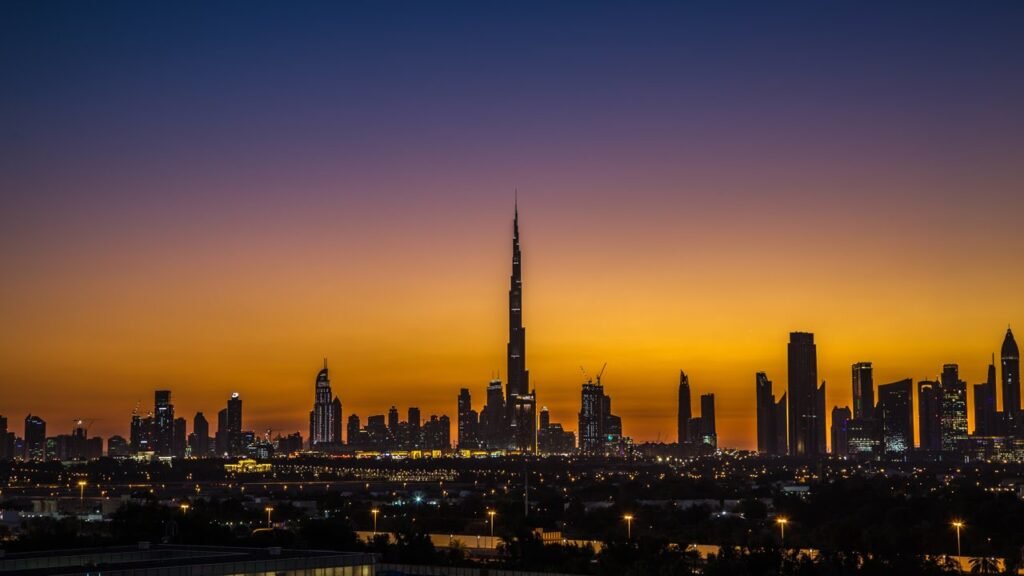
Explosions over Dubai’s skyline. Smoke rising from Palm Jumeirah. Flames on the facade of the Burj Al Arab. This wasn’t a movie scene. This was Saturday morning in the UAE.
Iran launched 137 ballistic missiles and 209 drones toward the Emirates. The attack targeted US military installations, but the fallout hit something far more valuable to the UAE: its reputation as a safe haven.
Let me tell you what this means for one of the world’s fastest-growing tourism destinations.
The Immediate Damage Is More Than Physical
Four people got injured at Palm Jumeirah when missile debris hit a luxury hotel. One Pakistani national died in Abu Dhabi from falling shrapnel. Fires broke out at Jebel Ali Port and the iconic Burj Al Arab.
But here’s what hurts more than the debris.
Dubai International Airport shut down completely. So did Abu Dhabi’s Zayed International. Flights were suspended, diverted, or cancelled across the entire region. Thousands of tourists found themselves stranded. Families cut their vacations short.
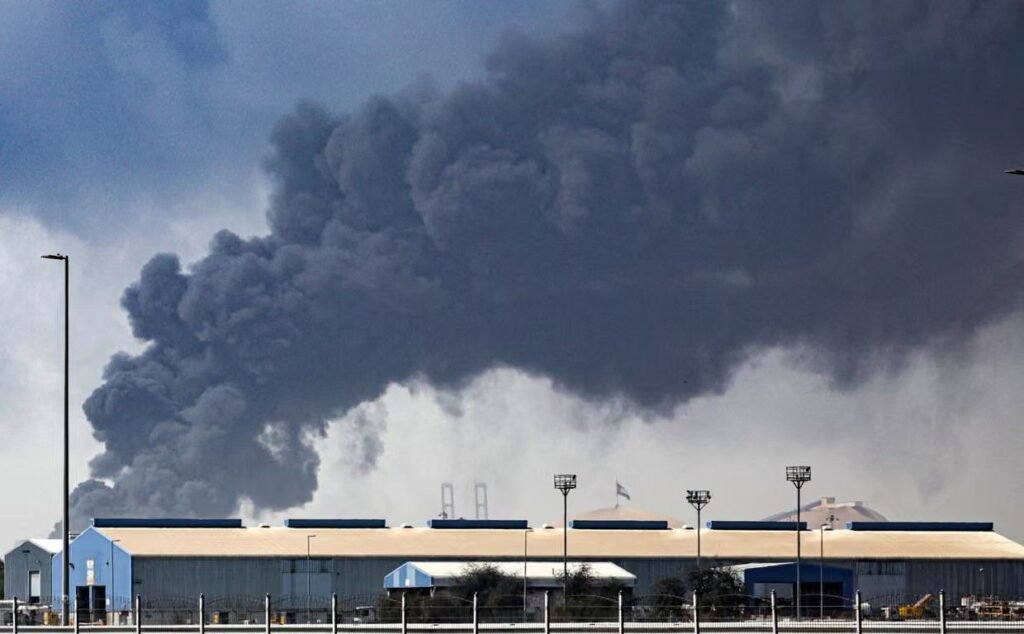
The UAE intercepts worked. They destroyed 327 of 346 missiles and drones. But tourists don’t measure safety by interception rates. They measure it by the sound of explosions overhead.
Schools closed. Businesses shifted to remote work. Airspace remained shut for hours. The message to the world was clear: even the safest city in the Middle East isn’t immune to regional conflict.
The Ripple Effect Across Global Travel
Dubai and Abu Dhabi aren’t just local airports. They’re global connectors.
When Dubai International goes dark, the disruption reaches London, Singapore, Sydney, and beyond. Airlines scrambled to reroute. Crews ended up stranded. Connecting passengers missed their flights.
The timing couldn’t be worse. March marks peak travel season. Hotels are fully booked. Events are scheduled back-to-back. Now hotels face mass cancellations. Tourism operators watch their phones go silent.
Travel insurance companies will raise premiums. Corporate travel departments will add the UAE to their risk lists. Families will choose “safer” alternatives.
The Trust Factor Just Got Complicated
The UAE spent decades building its brand. Safe. Stable. Modern. A place where East meets West without the chaos that plagues other Middle Eastern destinations.
That brand took 50 years to build. One missile strike can damage it overnight.
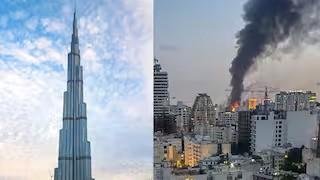
Tourism isn’t rational. It’s emotional. People don’t pick vacation spots based on statistics. They pick based on feeling. When tourists see Dubai on the news with “missile attack” in the headline, the feeling changes.
The UAE knows this. Officials immediately urged people to avoid unverified reports. They clarified that old fire videos were being circulated as new footage. They emphasized that the security situation is under control.
But perception moves faster than clarification.
Travel bloggers and influencers who’ve built careers promoting Dubai luxury are now facing tough questions from followers. “Is it safe?” “Should I cancel my trip?” “What about my family?”
These questions don’t have easy answers anymore.
What Happens Next Will Define the Recovery
The UAE has one major advantage. Money.
The government can launch massive PR campaigns and offer travel incentives. Dubai has bounced back from setbacks before. The 2008 crisis. The 2020 pandemic.
But this is different. The UAE can’t control regional geopolitics. As long as conflict persists, the threat remains. And tourists know it.
Smart tourism operators are already pivoting. They’re emphasizing Dubai’s air defense systems. They’re highlighting that life returned to normal within 24 hours. They’re pointing out that hotels and attractions stayed open.
Business tourism might recover faster. Corporate travelers follow company policies, not personal fear. But leisure tourism is fragile. Families pick destinations where they feel completely safe.
Hotels will drop prices. Airlines will offer deals. Tourism boards will flood social media with “all is well” messaging. Dubai’s luxury appeal is strong enough to pull back adventure travelers.
But the family market? The retirees? The honeymooners? They’ll think twice.
The UAE’s tourism machine just got stress-tested in a way no marketing can fully fix. Regional stability will determine whether Dubai’s tourism crown stays shiny or starts to tarnish.
One thing is certain. Every missile intercepted over Dubai reminds us that paradise isn’t quite as isolated from reality as the brochures promised.