
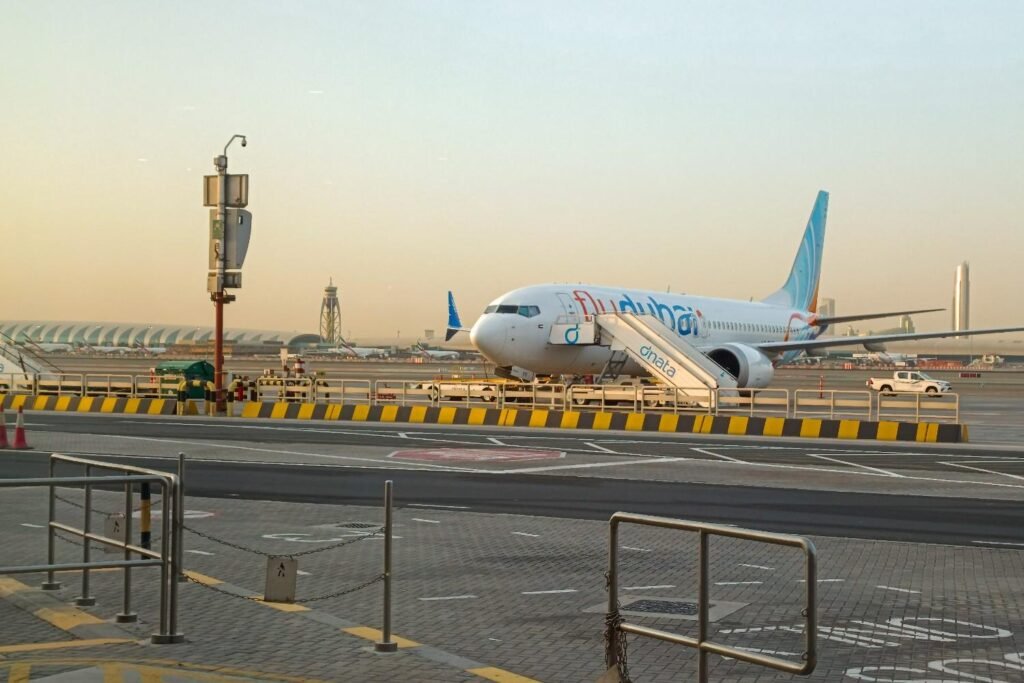
Dubai has imposed strict flight restrictions on foreign airlines, limiting them to a single daily round trip to its airports until May 31, as the ongoing Iran crisis continues to disrupt global aviation routes. The move has raised serious concerns among carriers worldwide, with Indian airlines standing to lose the most.
The restrictions, which cover both Dubai International Airport (DXB) and the smaller Al Maktoum International Airport (DWC), apply throughout the summer season between April 20 and May 31. The decision was communicated to airlines through a private email from Dubai Airports on March 27, first reported by Reuters.
Dubai International is widely regarded as the world’s busiest international travel hub, processing tens of millions of passengers annually. The cap on foreign carrier frequency threatens significant revenue losses across the industry, with the impact falling disproportionately on Indian airlines, which had scheduled more flights to Dubai than carriers from any other country.
Indian Airlines Sound the Alarm
The Federation of Indian Airlines (FIA), which represents major carriers including IndiGo, Air India, and SpiceJet, has formally urged the Indian government to intervene. In a letter dated March 31, the FIA called on authorities to press Dubai to lift the restrictions.
The letter also raised the possibility of reciprocal measures against Dubai-based carriers such as Emirates and flydubai, should diplomatic efforts fail to produce results.
The India-Dubai corridor is among the most trafficked air routes in the world, driven by a large Indian expatriate population in the UAE, strong business ties, and consistent passenger demand across income segments. Any sustained reduction in flight frequency on this route carries significant economic consequences for Indian carriers already operating under financial strain.
Pressure Compounds for Indian Carriers
The Dubai restrictions arrive at a particularly difficult time for the Indian aviation sector. Airlines have been contending with elevated fuel prices for months, squeezing margins across operations. That pressure has been further compounded by the ban on using Pakistani airspace, put in place following military tensions between India and Pakistan last year.
The ban has forced Indian carriers to take longer flight paths to Western destinations, adding fuel costs and increasing flight durations on already competitive routes.
The combination of higher operating costs, restricted airspace, and now reduced access to one of the world’s most important aviation hubs presents a serious challenge to the financial outlook of Indian airlines heading into the summer travel season.
Broader Aviation Impact
While Indian carriers face the sharpest immediate impact, the restrictions affect foreign airlines from across the globe. Dubai’s position as a major connecting hub means that reduced frequencies do not only affect point-to-point travellers.
Passengers transiting through Dubai to destinations in Europe, Africa, and Asia are also likely to face reduced options and higher fares as airlines adjust their schedules.
The current restrictions extend measures that were first introduced after the Iran conflict began escalating. Dubai authorities have not publicly outlined the criteria under which the restrictions might be lifted ahead of the May 31 deadline.
As diplomatic conversations develop and airlines seek clarity on the path forward, the situation remains closely watched by governments, carriers, and travellers across the region.