
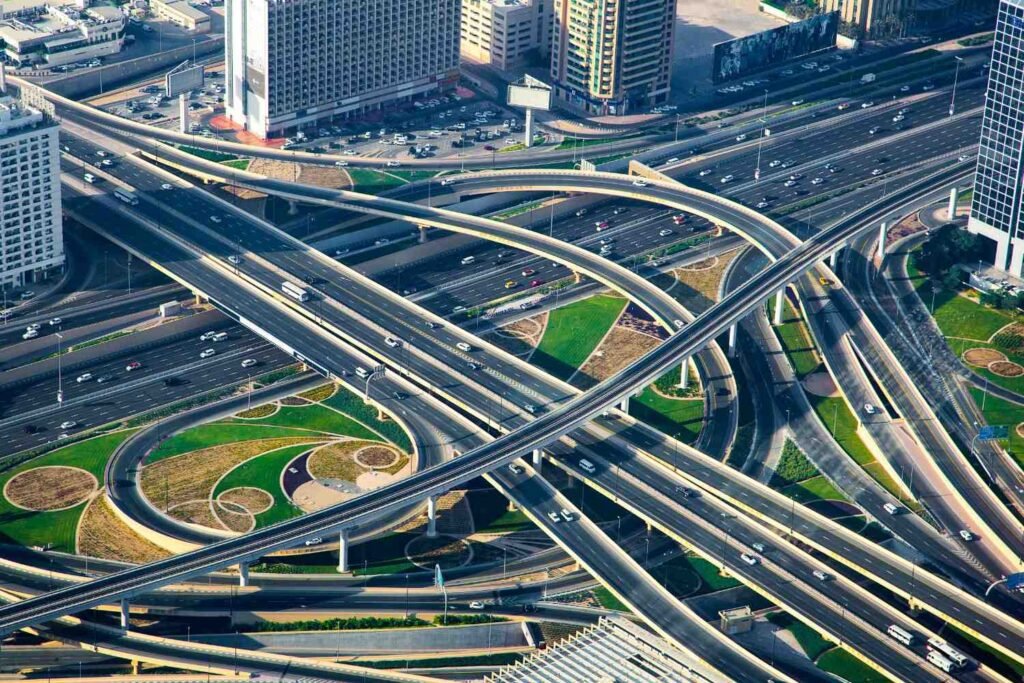
When you drive through the gleaming highways of the United Arab Emirates, you’re experiencing more than just smooth asphalt and well-marked lanes. You’re witnessing the result of decades of strategic vision, sustained investment, and a relentless commitment to excellence that has positioned the UAE as a global leader in road infrastructure quality.
The latest international rankings have confirmed what residents and visitors have long known: the UAE boasts the finest road network in the Arab world and ranks an impressive fourth globally for road quality. This achievement isn’t just a matter of national pride; it represents a fundamental pillar of economic competitiveness, quality of life, and sustainable development.
A Global Benchmark for Road Excellence
The UAE’s achievement in securing fourth place worldwide places it in elite company. According to recent assessments, only Singapore, Hong Kong, and Japan rank higher for road quality. This positioning reflects the Emirates’ success in developing wide, safe, and technologically advanced road networks supported by robust engineering standards, regular maintenance, and comprehensive long-term planning.
What makes this accomplishment particularly noteworthy is that the UAE has achieved this status while managing one of the world’s fastest-growing economies and populations. The country has successfully balanced rapid urbanization with infrastructure development, ensuring that its road network not only keeps pace with growth but anticipates future needs.
The World Economic Forum’s Quality of Road Infrastructure score consistently places the UAE among the top performers globally. With a Quality of Road Infrastructure rating of 5.92 out of 7, the Emirates demonstrates that sustained investment and effective governance can deliver predictable travel times, lower logistics costs, and safer journeys for all road users.
The Foundation: Strategic Investment at Scale
Behind these impressive rankings lies an extraordinary commitment to infrastructure investment. The UAE has allocated more than AED 170 billion (approximately $46.3 billion) for national road development programs extending through 2030. This isn’t merely spending; it’s strategic investment designed to enhance the efficiency of the federal road network and improve traffic flow between emirates, supporting economic integration and logistics efficiency.
These programs focus on comprehensive improvements that go beyond simple road construction. They encompass intelligent traffic management systems, advanced safety features, sustainable design principles, and integration with broader transportation networks. The scale of investment reflects a understanding that infrastructure quality directly correlates with economic competitiveness and citizen wellbeing.
At the emirate level, additional investments amplify the federal commitment. Abu Dhabi’s Projects and Infrastructure Centre has signed public-private partnership contracts worth AED 22 billion ($6 billion) during 2025 alone, with the total number of PPP projects under development exceeding 600. Dubai continues to expand its network with major projects like the AED 1.5 billion ($408 million) Al Fay Street development and the AED 786 million ($214 million) bridge providing new access points to Dubai Islands.
Smart Technology: The Digital Highway Revolution
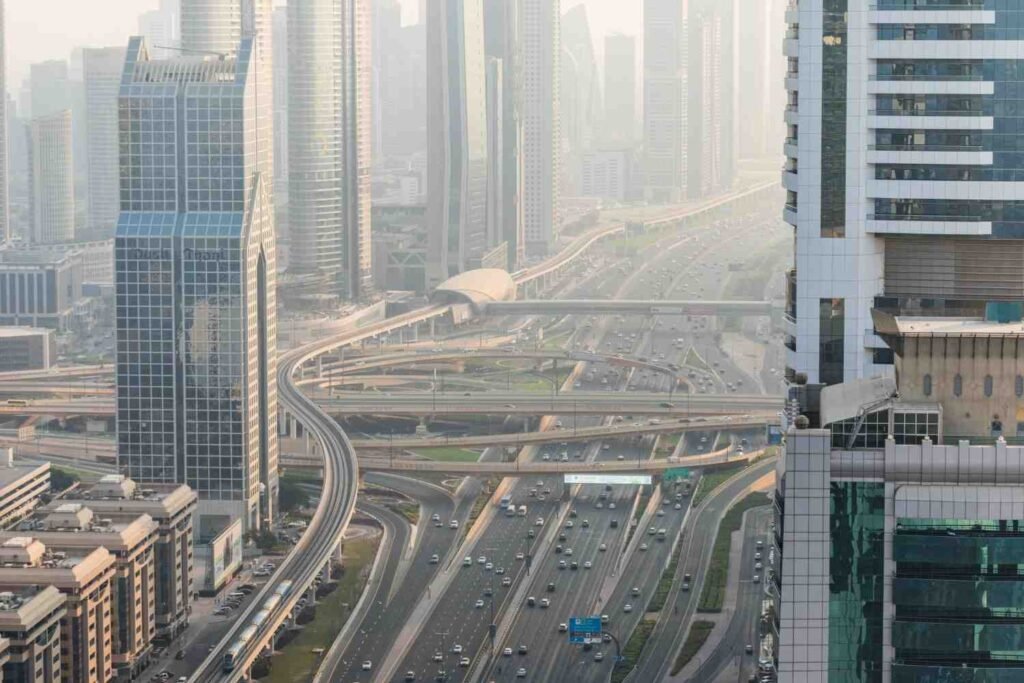
What truly distinguishes the UAE’s road infrastructure is its embrace of smart technology and artificial intelligence. The country has transformed its highways into intelligent networks that actively manage traffic flow, predict congestion, and respond to incidents in real-time.
Dubai’s Roads and Transport Authority operates 112 Dynamic Message Signs across the emirate’s main roads, fully integrated with the iTraffic system at the Intelligent Traffic Systems Centre. These aren’t simple electronic billboards; they’re sophisticated communication tools powered by artificial intelligence and big data analytics that process information from speed detectors, traffic volume monitors, and weather stations.
The impact has been measurable and significant. During the first half of 2025, the Dynamic Message Signs system displayed 17,819 messages, with accident alerts comprising 12,283 of these notifications. More importantly, the system has reduced travel times by up to 20 percent on major routes by providing sequential alerts starting two kilometers before incidents, followed by congestion warnings and guidance to redirect traffic and prevent secondary accidents.
This proactive approach to traffic management represents a paradigm shift. Rather than simply reacting to congestion and accidents, the UAE’s smart road systems anticipate problems, guide drivers around potential hazards, and optimize traffic flow continuously. Twenty-two dedicated signs display real-time travel times to key destinations like Dubai International Airport and Dubai Marina, enabling drivers to make informed route decisions around the clock.
The Next Generation: V2X and Connected Vehicles
The UAE isn’t resting on its current achievements. The country is pioneering the next evolution in road infrastructure through Vehicle-to-Everything (V2X) technology. Dubai’s RTA has announced plans to implement a V2X network across approximately 620 intersections and traffic lights between 2027 and 2028, creating direct communication channels between traffic infrastructure and vehicles.
This groundbreaking system will transmit real-time information from traffic signals directly to vehicle dashboards, using artificial intelligence and digital twin technology to optimize traffic management. The RTA is already coordinating with automobile manufacturers to ensure new vehicles come equipped with built-in connectivity features, while older vehicles can benefit through add-on devices or smartphone integration via CarPlay and Android Auto.
The UTC-UX Fusion system upgrade demonstrates the technical sophistication of these initiatives. This advanced traffic signal control system uses predictive traffic analysis to dynamically optimize signal timings based on anticipated traffic movements, incorporates digital twin technology to simulate and assess adjustments before implementation, and leverages data from road sensors to refine operations with unprecedented efficiency.
These innovations position Dubai among the world’s leading cities in intelligent traffic management and establish a model that other nations can study and adapt. The integration of Cooperative Intelligent Transport Systems will enable smart vehicles to communicate with traffic signals, creating a seamless ecosystem where infrastructure and vehicles work together to enhance safety and efficiency.
Comprehensive Planning: More Than Just Roads
The UAE’s road quality excellence stems from comprehensive planning that considers roads as part of an integrated transportation ecosystem. The country’s infrastructure strategy encompasses high-speed rail, metro systems, public transportation, and multimodal connectivity.
The high-speed rail project linking Abu Dhabi and Dubai, which will reduce travel time between the two cities to approximately 30 minutes at speeds up to 350 kilometers per hour, demonstrates this integrated approach. Expected to generate economic contributions exceeding AED 145 billion over five decades, this project will complement road infrastructure by offering alternatives for intercity travel and reducing highway congestion.
The Etihad Rail Phase 2 project represents another dimension of this integrated vision, with AED 40 billion invested to lay 900 kilometers of dual-use track designed to handle 60 million tonnes of freight and 36.5 million passengers annually by 2030. This massive rail expansion will shift substantial freight traffic from roads to rail, extending the lifespan of road infrastructure and reducing maintenance requirements.
Dubai’s Metro Blue Line, with its AED 20.5 billion investment, will connect emerging residential clusters to the central network while supporting Dubai’s “20-minute city” vision. By providing efficient public transportation alternatives, these projects reduce pressure on road infrastructure while enhancing overall mobility.
Engineering Excellence and Maintenance Culture
The UAE’s road quality isn’t solely about new construction; it reflects a culture of engineering excellence and rigorous maintenance. Roads are designed to withstand the region’s challenging desert climate, with extreme temperatures, occasional heavy rainfall, and sandstorms requiring specialized materials and construction techniques.
Regular maintenance programs ensure that roads remain in optimal condition. Unlike many countries where maintenance is reactive and budget-constrained, the UAE takes a proactive approach, scheduling preventive maintenance and addressing issues before they become significant problems. This maintenance philosophy extends the useful life of road infrastructure and delivers better value from initial construction investments.
The use of high-quality materials, adherence to international standards, and employment of experienced contractors contribute to the durability and safety of UAE roads. Projects undergo rigorous quality control processes, and performance monitoring continues long after completion to ensure standards are maintained.
Safety: A Non-Negotiable Priority
Road safety remains central to the UAE’s infrastructure philosophy. The country has been recognized as among the safest in the world for traffic safety, a distinction that reflects both infrastructure quality and comprehensive safety programs.
Abu Dhabi has deployed predictive AI systems designed to prevent crashes before they occur, representing a shift from reactive to proactive safety management. These systems analyze traffic patterns, weather conditions, and historical data to identify potential accident scenarios and implement preventive measures.
Dubai’s smart traffic management capabilities extend to emergency response, with the system automatically adjusting traffic signals and providing route guidance during heavy rain, fog, or other hazardous conditions. The integration of weather stations with traffic management systems ensures that drivers receive timely warnings about dangerous conditions.
The DMS network creates sequential alert zones that warn drivers progressively as they approach incidents, reducing the risk of sudden braking and secondary collisions. This layered warning approach gives drivers time to adjust their speed and change lanes safely, significantly reducing accident rates.
Economic Impact: Infrastructure as Competitive Advantage
The UAE’s investment in road quality delivers substantial economic returns. Quality infrastructure reduces logistics costs, improves business efficiency, and enhances the country’s attractiveness for investment. The World Bank has recognized that road quality directly impacts economic productivity, with better roads enabling faster, more reliable transportation of goods and services.
For businesses operating in the UAE, excellent road infrastructure means predictable delivery times, lower vehicle maintenance costs, and improved access to customers and suppliers. These advantages strengthen the country’s position as a regional business hub and support diverse economic sectors from logistics and manufacturing to tourism and retail.
The construction sector itself benefits from ongoing infrastructure investment, with the UAE’s transportation infrastructure construction market expected to reach $6.09 billion in 2025 and grow at a CAGR of greater than 5.63 percent through 2030. This creates employment opportunities, supports local industries, and attracts international expertise.
Tourism, a vital component of the UAE’s economic diversification strategy, directly benefits from excellent road infrastructure. Visitors experience smooth, efficient transportation from airports to hotels, attractions, and business centers. The ability to navigate the country easily and safely enhances the visitor experience and encourages repeat visits.
Emirate-Level Excellence: Tailored Solutions
While federal programs provide the foundation, each emirate contributes additional initiatives tailored to local needs. This multi-level approach ensures that infrastructure development addresses both national and community-specific requirements.
Umm Al Qaiwain’s AED 750 million Emirates Road upgrade project, which will expand the road to five lanes in each direction and construct six new bridges, demonstrates how emirate-level investment complements federal programs. The project is expected to improve traffic flow and reduce journey times by up to 45 percent, directly benefiting local communities.
Fujairah’s ninth phase of internal roads development, extending 31 kilometers across multiple areas, shows commitment to ensuring that infrastructure excellence extends beyond major highways to community roads. Sharjah has approved AED 42 million for internal road implementation in Al Ramaqia and Al Suwaihat areas, while Ajman has completed the Sheikh Zayed Street development project in Al Helio area, spanning 2.8 kilometers.
These emirate-specific projects demonstrate that the UAE’s road quality excellence isn’t concentrated in major urban centers but extends throughout the country, ensuring that all residents and businesses benefit from high-quality infrastructure.
Sustainability and Environmental Considerations
Modern road infrastructure development in the UAE incorporates sustainability principles and environmental considerations. Smart traffic management systems that reduce congestion directly contribute to lower vehicle emissions and improved air quality. By optimizing traffic flow and reducing idle time, the UAE’s intelligent transportation systems support the country’s broader environmental goals.
The integration of predictive analytics and real-time traffic management reduces unnecessary driving and fuel consumption. When drivers can avoid congested routes and reach destinations more efficiently, the environmental impact of transportation decreases. This alignment of infrastructure efficiency with environmental objectives represents sophisticated policy integration.
Future road projects increasingly incorporate green design principles, from permeable surfaces that manage stormwater to solar-powered traffic management systems. The UAE recognizes that sustainable infrastructure contributes to long-term resilience and resource efficiency.
Public-Private Partnerships: Leveraging Expertise and Capital
The UAE’s infrastructure success reflects effective use of public-private partnerships. With over 600 PPP projects under development as of October 2025, the country has created a framework that attracts private capital and expertise while maintaining public oversight and standards.
These partnerships enable the government to undertake more projects simultaneously, accelerate implementation timelines, and benefit from private sector innovation and efficiency. International companies bring global best practices and cutting-edge technologies, while local partners contribute regional knowledge and relationships.
The PPP model also creates opportunities for long-term maintenance and operation agreements, ensuring that infrastructure quality remains high throughout the asset lifecycle. This approach aligns incentives between public and private entities, as private partners have financial interest in maintaining infrastructure quality.
Lessons for Other Nations
The UAE’s road infrastructure success offers valuable lessons for countries seeking to improve their transportation networks. Several principles emerge as particularly significant.
First, sustained investment matters more than sporadic spending. The UAE’s commitment to multi-year, multi-billion dollar programs demonstrates that consistent funding enables comprehensive planning and quality execution. Infrastructure cannot be built through short-term thinking or budget-constrained compromises.
Second, technology integration should be fundamental, not supplementary. The UAE hasn’t merely built good roads and added smart features afterward; technology has been integral to design, construction, and operation from the beginning. This approach maximizes the value of both physical and digital infrastructure.
Third, maintenance culture is as important as initial construction quality. The UAE’s proactive maintenance approach extends infrastructure lifespan and delivers better user experiences. Countries that neglect maintenance waste initial investments and create safety hazards.
Fourth, integration across transportation modes amplifies benefits. The UAE’s coordination between roads, rail, metro, and public transportation creates synergies that enhance overall system performance. Single-mode thinking limits effectiveness.
Fifth, clear governance and accountability frameworks ensure project success. The UAE’s institutional arrangements provide clarity about responsibilities, decision-making authority, and performance expectations, enabling efficient project delivery.
Looking Forward: Continuous Innovation
As impressive as the UAE’s current achievements are, the country shows no signs of complacency. Future plans indicate continued innovation and investment in transportation infrastructure.
The expansion of smart systems, implementation of V2X technology, and integration of autonomous vehicle capabilities will further enhance road efficiency and safety. The UAE is preparing infrastructure for transportation modes that don’t yet exist at scale, demonstrating forward-thinking planning.
Climate adaptation will become increasingly important as temperatures rise and weather patterns change. The UAE’s road infrastructure will need to remain resilient under more extreme conditions, requiring ongoing material innovation and design evolution.
The shift toward electric vehicles will require integration of charging infrastructure with road networks, creating new planning considerations. The UAE is already addressing these future needs through pilot programs and strategic planning.
Conclusion: Infrastructure as National Strategy
The UAE’s achievement in building the Arab world’s best road network and ranking fourth globally represents more than engineering excellence or financial investment. It reflects a national strategy that recognizes infrastructure as fundamental to economic competitiveness, quality of life, and sustainable development.
By combining substantial financial commitment, technological innovation, comprehensive planning, and rigorous execution, the UAE has created a road network that serves current needs while anticipating future requirements. The integration of smart systems and AI-powered management transforms static infrastructure into dynamic, responsive networks that continuously optimize performance.
Other nations can learn from this approach. While not every country can match the UAE’s financial resources, the principles of sustained investment, technology integration, proactive maintenance, and comprehensive planning are universally applicable. The UAE has demonstrated that excellence in road infrastructure is achievable through clear vision, consistent execution, and commitment to continuous improvement.
As the UAE continues to innovate and expand its transportation infrastructure, it sets benchmarks that inspire and challenge other nations. The country’s road quality leadership in the Arab world and top-five global ranking isn’t an endpoint but a foundation for ongoing advancement. In a world where infrastructure quality increasingly determines economic success and quality of life, the UAE’s example provides a compelling blueprint for achieving excellence.
For professionals in infrastructure development, urban planning, and transportation management, the UAE offers a case study in what’s possible when vision, resources, and execution align. The country’s success proves that exceptional road infrastructure isn’t an accident or a luxury; it’s the result of strategic choices, sustained commitment, and continuous innovation in service of a nation’s broader development goals.